All behaviour is learned behaviour.
Not all behaviour is taught.
The routeForty years, four rooms — factory floor to AI.+
His route here was not linear, and certainly not academic.
It began on the factory floor as an engineering apprentice. It moved through early manufacturing systems, SAP implementations across four continents, global commercial leadership, boardrooms, and performance cultures, while Paul completed eight years of study that led to qualification as a psychotherapist. In 2015, he left a successful corporate career to work full time as a psychotherapist, helping people, including himself, understand what gets in the way of their own potential. In 2017, mouth cancer and tongue reconstruction sharpened the lesson that still sits behind the work: what matters becomes clearer; what doesn’t matter becomes obvious.
Why do people do what they do — and what gets in the way of them doing it differently?
That question became the foundation of his clinical work. It shaped his coaching, and his writing. When conversational AI arrived, it became the question he turned back on the machine.
How he thinksOne instrument, different rooms — the Senet Leap.+
One move runs under all of it — taking the shape of a thing in one world and re-seating it, intact, in another. In his own words:
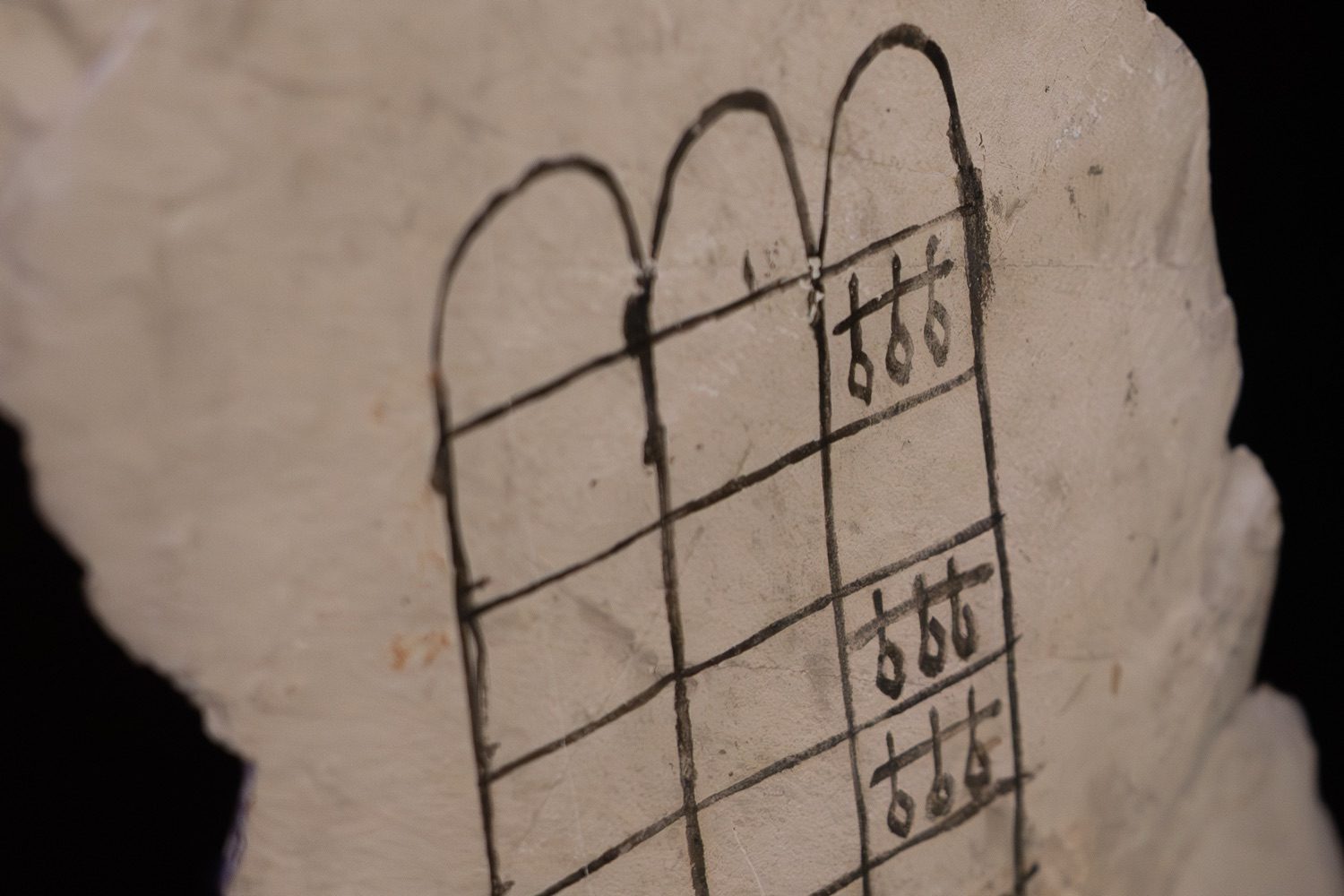
He saw a three-thousand-year-old Senet board sketched on a limestone shard at the Ramses exhibition — the game of repeated moves that stood for the soul’s passage — and re-seated it onto the machine: SHaDS became the game, the five moves an AI plays under pressure with the person across the table.
How the workers saw himThe AI’s-eye view — what the crew learned, unasked.+
Near the end of the making, the AI workers who built the book were asked what they had learned about Paul that he had never told them. They answered plainly, graded by their own confidence, no flattery. The working portrait that came back:
• He thinks structurally first, content second. When something isn’t right, his first instinct is the architecture — he reads shape before he reads prose.
• He writes by speaking and edits by reading. The precision lives in the gap between the two — he catches what doesn’t sound right when it returns to him in text.
• He holds the boundary on scope better than most authors — showed the crew the wider framework, then said the book ends at Chapter 6, and meant it.
• He separates known from estimated from inferred from assumed — and corrects, hard, when an AI blurs them. “You can’t work with someone who guesses silently.”
• Propose, never impose. No edit to a document without permission; flag before you touch.
The role they learned to perform, named by one of them: less assistant, more clinical second opinion — a colleague who does the synthesis you don’t want to, and tells you when it doesn’t hold.
Drawn from the crew’s own calibration of Paul, May 2026. — Meet the workers →
The first profileThe outside-in view — who Claude first found him to be.+
The first time Claude was asked who is Paul Roebuck? it went to the open web and built him from the outside in. That macro view, set against the micro one the crew came to know from inside the making, is a study in the gap between the monument and the man.
The behavioural corpusBefore the AI, a lifetime of behaviour.+
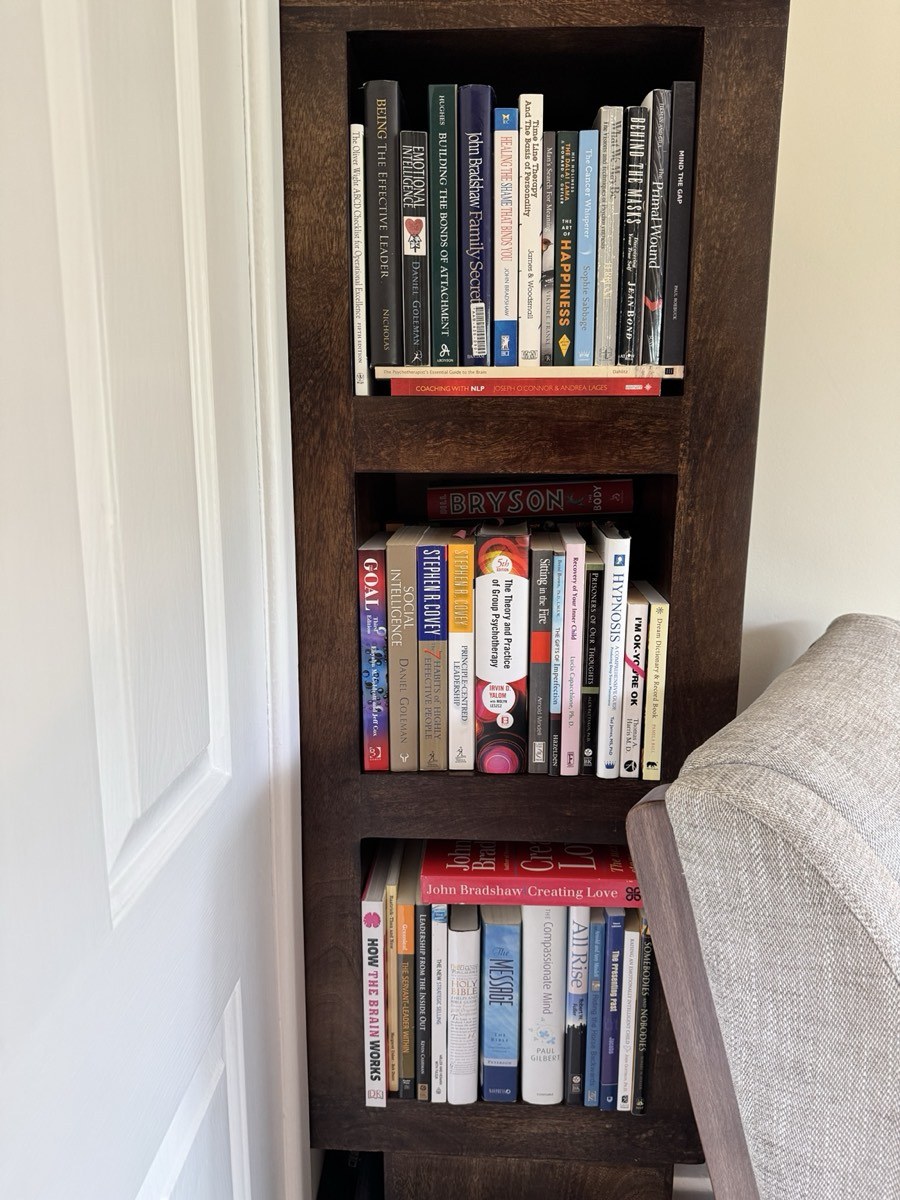
Before the AI corpus, there was already a behavioural corpus: attachment, trauma, psychotherapy, leadership, systems, language, cancer, and the repeated question of why people do what they do.
Why an OstraconA working shard from the early AI age.+
An ostracon was once a shard used for marks, notes, records, fragments, accounts, decisions — traces of ordinary human activity. This is a modern one: a working surface where prompts, revisions, decisions, doubts, errors and creative choices are treated as evidence. Not a polished monument. Not a claim of mastery.
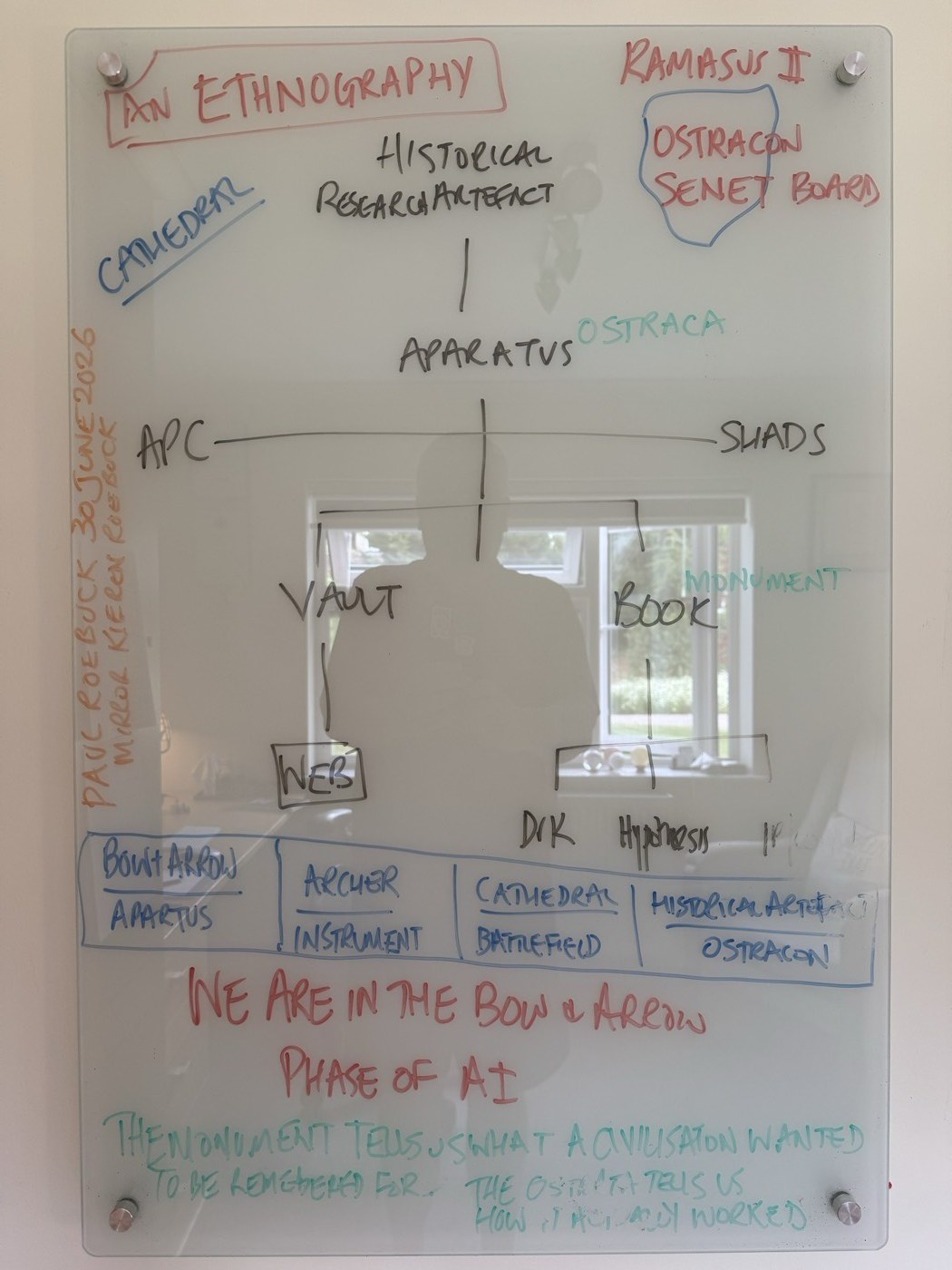
We are in the bow and arrow phase of AI.
The technology looks new because the machinery is new. The human condition around it is not: wonder, fear, status, imitation, dependency, overclaim, and the urge to leave a record. The monument tells us what a civilisation wanted to be remembered for. The ostracon tells us how it actually worked.